

- Home
- Industries
 Aerospace And Defence
 Agriculture
 Automotive And Transportation
 Banking And Finance
 Business
 Chemicals And Materials
 Consumer And Retail
 Electronics And Semiconductors
 Food And Beverages
 Machinery & Equipments
 Manufacturing And Construction
 Medical Devices
 Others
 Pharmaceuticals And Healthcare
 Power And Energy
 Sports
 Technology
- Services
- News Room
- About us
- Contact Us
-
Ginkgo Biloba Extract Market Size, Share & Growth 2034 | 4.8% CAGR
Global Ginkgo Biloba Extract Market Size, Share, Analysis By Form (Liquid Extracts, Powder Extracts, Capsule, Others), By Source (Conventional, Organic), By Application (Pharmaceutical, Dietary Supplements, Personal Care, Food and Beverages), By Distribution Channel (Online, Offline), By End User Industry Region & Key Players-Industry Segment Overview, Market Dynamics, Competitive Strategies, Trends & Forecast 2025-2034

Report Overview:
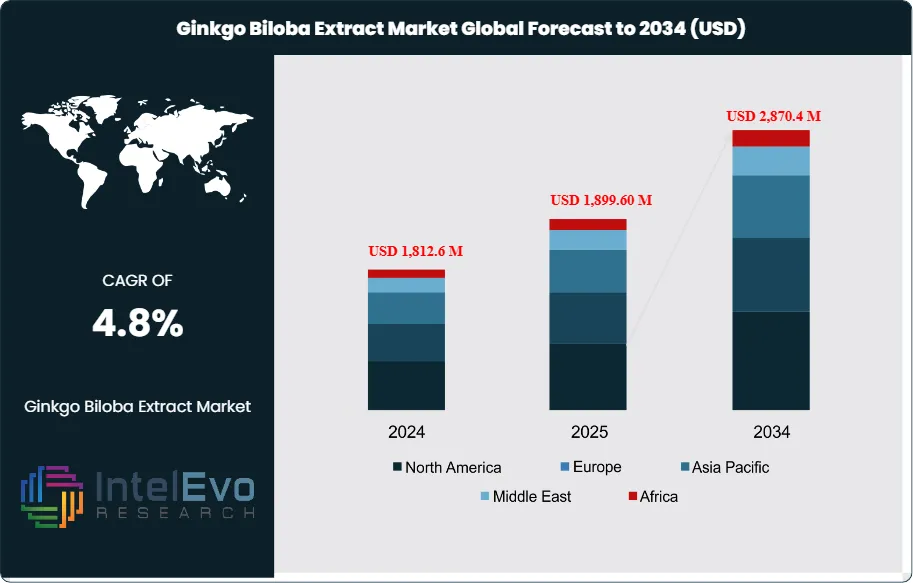
The Global Ginkgo Biloba Extract Market size is expected to be worth around USD 2,870.4 million by 2034, up from USD 1,812.6 million in 2024, growing at a CAGR of 4.8% during the forecast period from 2025 to 2034. The rising demand for herbal and natural supplements, coupled with increasing consumer awareness regarding cognitive health and anti-aging benefits, is driving market growth. Ginkgo biloba extract continues to gain popularity in pharmaceutical, nutraceutical, and cosmetic applications due to its antioxidant and neuroprotective properties. With growing trends in preventive healthcare and plant-based wellness solutions, this market is expected to witness strong global adoption over the coming decade.
Get More Information about this report -
Request Free Sample ReportGinkgo biloba extract is a herbal supplement derived from the leaves of the ginkgo biloba tree, which is known as one of the oldest living tree species on Earth. This extract is rich in active compounds such as flavonoids and terpenoids, which are believed to have antioxidant and anti-inflammatory properties. These components help protect cells from oxidative stress and improve blood circulation by dilating blood vessels and reducing platelet aggregation. Ginkgo biloba extract is commonly used to support cognitive health, improve memory and concentration, and may also be beneficial in managing symptoms of conditions like dementia and Alzheimer’s disease. Additionally, it is often taken to alleviate anxiety, depression, and circulatory disorders. Available in various forms such as capsules, tablets, liquid extracts, and teas, Ginkgo biloba has gained popularity in both traditional and modern medicine. However, it is important to consult a healthcare provider before use, especially for individuals taking blood-thinning medications, as it may cause interactions.
The growth dynamics of the ginkgo biloba extract market are influenced by a combination of health trends, demographic shifts, and increasing consumer awareness. One of the key drivers is the rising global demand for natural and plant-based supplements, as consumers seek alternatives to synthetic drugs for cognitive enhancement, memory support, and overall wellness. Ginkgo biloba is particularly popular among the aging population due to its potential benefits in improving memory, concentration, and blood circulation, which aligns with the growing focus on preventive healthcare. In addition, the expanding nutraceutical and functional food industries are contributing to the market's growth, with ginkgo biloba extract being incorporated into dietary supplements, energy drinks, and herbal teas. The rise of e-commerce has also made these products more accessible, enabling companies to reach a broader consumer base across different regions.
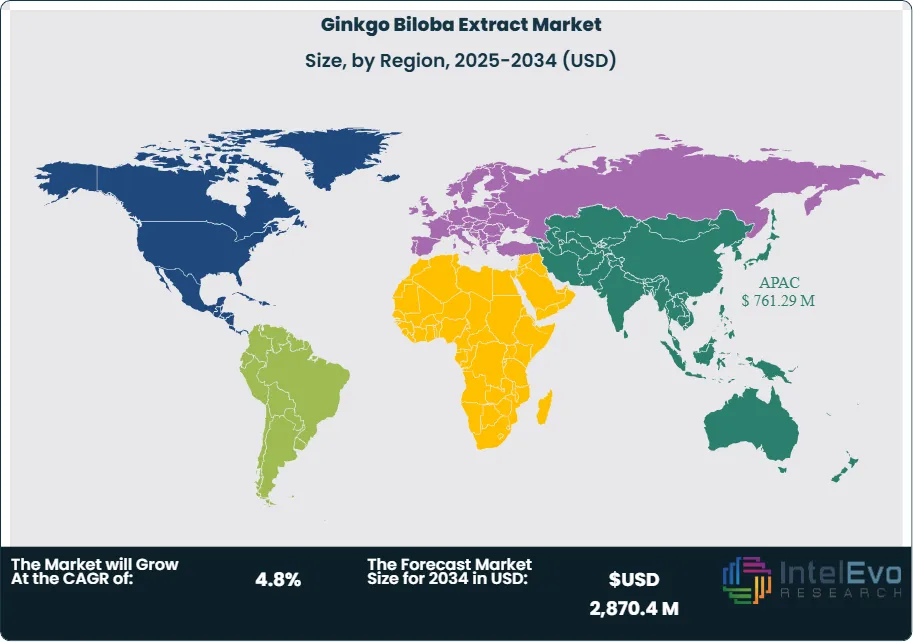
The Asia-Pacific region holds a significant share in the ginkgo biloba extract market, driven by strong traditional usage, rising health awareness, and increasing demand for herbal supplements. Countries like China, Japan, South Korea, and India are at the forefront, with China being both a leading producer and consumer of ginkgo biloba extract due to its deep roots in traditional Chinese medicine. The growing popularity of natural and plant-based remedies in urban populations, coupled with rising disposable incomes, is encouraging more consumers to turn to herbal supplements for cognitive health, memory support, and overall wellness. Additionally, the region’s aging population—particularly in countries like Japan and South Korea—is fueling demand for products that support brain function and prevent age-related cognitive decline.
The COVID-19 pandemic had a mixed impact on the ginkgo biloba extract market. On one hand, global disruptions in supply chains and manufacturing processes initially slowed down production and distribution, particularly in countries like China, which is a major producer of ginkgo biloba. This led to temporary shortages and fluctuations in raw material prices, affecting the availability of ginkgo-based supplements worldwide. On the other hand, the pandemic triggered a surge in consumer interest in health and wellness, especially in boosting immunity and cognitive function. As people became more health-conscious, the demand for natural and herbal supplements, including ginkgo biloba extract, increased. The extract is popularly used for enhancing memory, reducing anxiety, and improving blood circulation, all of which became areas of interest during a time of widespread stress and health concern.

Key Takeaways:
- Market Growth: The ginkgo biloba extract market is expected to reach USD 2,870.4 million by 2034, growing at a robust CAGR of 4.8%, indicating strong market expansion.
- Type Segment Dominance: The type segment is dominated by tablets, accounting for over 40% of the market share. Tablets are the preferred form of ginkgo biloba supplements due to their convenience, accurate dosing, portability, and ease of use, making them ideal for daily health routines.
- Source Segment Insights: Organic ginkgo biloba extract is becoming increasingly popular as health-conscious consumers seek natural, chemical-free supplements. Viewed as safer and more eco-friendly, organic options align with growing preferences for wellness and sustainability, prompting brands to expand their organic product offerings.
- Driver: Growing consumer preference for natural health remedies, especially for improving cognitive function, memory, and circulation, is a key driver. Increased awareness of ginkgo biloba’s health benefits is boosting its inclusion in dietary supplements and functional foods.
- Restraint: Strict regulatory guidelines for herbal extracts and reported side effects, such as headaches or allergic reactions, can limit consumer trust and market expansion, especially in regions with tight supplement regulations.
- Opportunity: Rapid urbanization, increased disposable income, and growing health consciousness in Asia-Pacific and Latin America offer strong growth potential. The shift toward preventive healthcare also opens new avenues for product development and sales.
- Trend: Ginkgo Biloba extract is increasingly being added to energy drinks, teas, and snacks, reflecting a trend toward incorporating herbal ingredients into everyday consumables for added health benefits.
- Regional Analysis: Asia-Pacific is a key market for ginkgo biloba extract, driven by strong herbal medicine traditions, rising health awareness, and growing demand for natural supplements. China leads in both production and consumption, with the region expected to see continued growth due to increasing preference for organic and clean-label products.
Type Analysis:
Ginkgo biloba extract market can be categorized by type. These include liquid extracts, capsules, and tablets. Tablets are the most favored form of ginkgo biloba supplements, primarily because of their ease of use, precise dosage control, and convenient storage. Consumers often prefer tablets as they seamlessly fit into daily health routines, ensuring consistency in intake, which is crucial for achieving desired health outcomes. Additionally, tablets offer a longer shelf life and are easy to carry, making them ideal for both home use and travel. Their standardized dosage helps users avoid the guesswork associated with other forms like powders or teas, further boosting their popularity in the nutraceutical market.
Source Analysis:
There are two categories for source: conventional and organic. Organic ginkgo biloba extract is gaining strong traction as more consumers lean toward natural, chemical-free health products. The demand is largely fueled by health-conscious individuals who prioritize supplements made without pesticides, synthetic fertilizers, or other artificial additives. These consumers often view organic options as safer, cleaner, and better for long-term wellness. In addition, the rise of sustainable and environmentally responsible lifestyles is reinforcing the preference for organic extracts, as they align with ethical and eco-friendly values. This trend is reshaping the supplement market, pushing brands to offer organic alternatives that meet these evolving expectations.
Application Analysis:
Application in the case of the market segmentation of the ginkgo biloba extract include pharmaceuticals, cosmetics, food and beverages and others. Ginkgo biloba extract is becoming increasingly prominent in the health and wellness industry, largely due to its antioxidant-rich profile and potential to support cognitive performance and blood circulation. This natural extract is now found in a wide range of products such as energy drinks, herbal teas, and fortified food items. It appeals especially to health-conscious consumers seeking plant-based solutions to enhance focus, memory, and overall vitality, reflecting a broader shift toward natural, functional ingredients in everyday nutrition.
Distribution Channel Insights:
Segments in this distribution channel include specialty stores, online retail, hypermarket/supermarket, medical stores, convenience store, and others. Large retail chains such as hypermarkets and supermarkets are popular among consumers because they offer a broad selection of health and wellness products, including ginkgo biloba extract, all in one place. Their accessibility and convenience make them a preferred choice for shoppers looking for variety and ease when purchasing supplements. This widespread retail presence plays a crucial role in boosting product visibility and encouraging impulse and routine purchases alike.
Region Analysis:
Asia Pacific Leads With 42% Market Share in the Ginkgo Biloba Extract Market: The Asia-Pacific region plays a pivotal role in the growth and development of the ginkgo biloba extract market, owing to a combination of cultural, economic, and industrial factors. Countries like China, Japan, South Korea, and India are at the forefront of this expansion. China is the largest producer and exporter of ginkgo biloba extract globally, owing to its vast ginkgo tree plantations and long-standing use of herbal medicine in traditional Chinese healthcare practices. The country has well-established processing facilities and exports a significant portion of its production to North America and Europe. In Japan and South Korea, the demand is driven by a health-conscious population that actively seeks out natural and herbal supplements for cognitive health, memory enhancement, and anti-aging benefits. Both countries have robust pharmaceutical and nutraceutical sectors that integrate ginkgo biloba extract into various products, from capsules to functional beverages. India, with its growing middle-class population and rising disposable income, is witnessing an increased adoption of dietary supplements, including ginkgo biloba-based formulations. The country’s Ayurveda and herbal medicine industries are also incorporating the extract, contributing to its domestic demand. Overall, the region's rising awareness of preventive healthcare, the aging demographic, and the integration of herbal ingredients into mainstream wellness products are key drivers. Furthermore, government initiatives promoting traditional medicine and exports of plant-based products add momentum to the market’s expansion in Asia-Pacific.
Get More Information about this report -
Request Free Sample ReportKey Market Segment
By Form
- Liquid Extracts
- Powder Extracts
- Capsule/Tablets
- Others (Tinctures, Softgels, etc.)
By Source
- Conventional
- Organic
By Application
- Pharmaceutical Applications
- Cognitive and Memory Enhancement
- Anxiety and Depression Treatment
- Cardiovascular Support
- Nutraceuticals and Dietary Supplements
- Cosmetics and Personal Care
- Food and Beverages
- Others (Animal Feed, Research Use, etc.)
By Distribution Channel
- Online Channels
- E-commerce Platforms
- Brand-owned Websites
- Offline Channels
- Pharmacies & Drug Stores
- Health & Wellness Retail Stores
- Supermarkets/Hypermarkets
By End User
- Pharmaceutical Companies
- Nutraceutical Manufacturers
- Cosmetic & Skincare Brands
- Food & Beverage Companies
- Research Institutions
By Region
- North America
- Latin America
- East Asia And Pacific
- Sea And South Asia
- Eastern Europe
- Western Europe
- Middle East & Africa
| Report Attribute | Details |
| Market size (2025) | USD 1,899.60 M |
| Forecast Revenue (2034) | USD 2,870.4 M |
| CAGR (2025-2034) | 4.8% |
| Historical data | 2018-2023 |
| Base Year For Estimation | 2024 |
| Forecast Period | 2025-2034 |
| Report coverage | Revenue Forecast, Competitive Landscape, Market Dynamics, Growth Factors, Trends and Recent Developments |
| Segments covered | By Form (Liquid Extracts, Powder Extracts, Capsule/Tablets, Others (Tinctures, Softgels, etc.)), By Source (Conventional, Organic), By Application (Pharmaceutical Applications, (Cognitive and Memory Enhancement, Anxiety and Depression Treatment, Cardiovascular Support), Nutraceuticals and Dietary Supplements, Cosmetics and Personal Care, Food and Beverages, Others (Animal Feed, Research Use, etc.)), By Distribution Channel (Online Channels, (E-commerce Platforms, Brand-owned Websites), Offline Channels, (Pharmacies & Drug Stores, Health & Wellness Retail Stores, Supermarkets/Hypermarkets)), By End User (Pharmaceutical Companies, Nutraceutical Manufacturers, Cosmetic & Skincare Brands, Food & Beverage Companies, Research Institutions) |
| Research Methodology |
|
| Regional scope |
|
| Competitive Landscape | BIOLANDES Group, Croda International Plc, Givaudan, Hunan NutraMax Inc., JEOL Ltd. and Analytik Jena AG, Provital Group, S.A. Herbal Bioactives LLP, SILAB Inc., Waters Corporation, Bruker Corporation, Danaher Corporation, Hallstar, Indena S.p.A., Lucas Meyer Cosmetics, Rahn AG, Shimadzu Corporation, Thermo Fisher Scientific Inc. |
| Customization Scope | Customization for segments, region/country-level will be provided. Moreover, additional customization can be done based on the requirements. |
| Pricing and Purchase Options | Avail customized purchase options to meet your exact research needs. We have three licenses to opt for: Single User License, Multi-User License (Up to 5 Users), Corporate Use License (Unlimited User and Printable PDF). |


Select Licence Type
Connect with our sales team

Ginkgo Biloba Extract Market
Published Date : 21 Apr 2025 | Formats :Why IntelEvoResearch
100%
Customer
Satisfaction
24x7+
Availability - we are always
there when you need us
200+
Fortune 50 Companies trust
IntelEvoResearch
80%
of our reports are exclusive
and first in the industry
100%
more data
and analysis
1000+
reports published
till date
